The purchase price of a container is the easiest number to find and the least useful on its own. What lands on your invoice, and what you spend around it, depends on five things: size, grade, freight, site preparation and any modification. Knowing how each one moves the total makes it much easier to compare quotes honestly.
1. Size
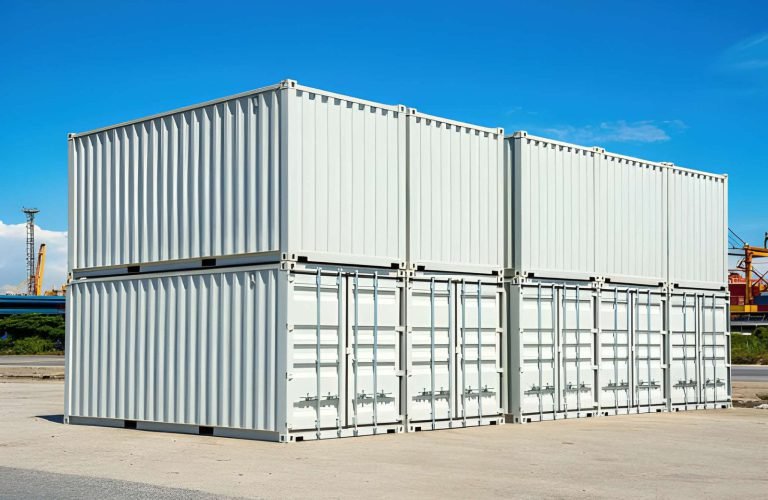
Price rises with length, but not proportionally. A 40ft container does not cost twice a 20ft, so cost per cubic foot generally falls as you go up in size. Shorter units carry a premium per foot because demand is high and supply is thinner — a 10ft container is not simply half the price of a 20ft.
2. Grade and condition
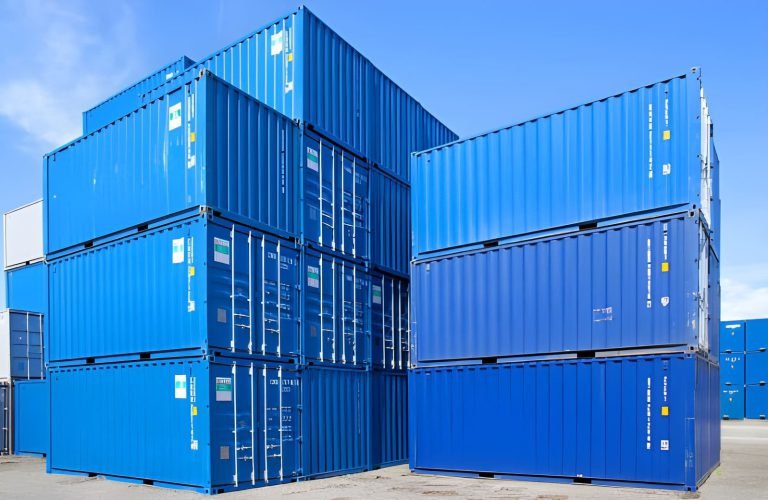
Condition is usually the largest single lever on price. One-trip units command a clear premium for their appearance and remaining service life; cargo-worthy sits below that; wind and watertight used units are the most economical. If the container will be out of sight on a working site, paying for one-trip finish is money spent on something you will never look at. Our grades guide explains what each classification means before you commit.
3. Freight
Freight is where quotes diverge most, because many sellers price it by distance and site type and only reveal it late. We charge a flat $450 per order for delivery anywhere in the continental US, which makes the total predictable and makes it worth consolidating units into a single order rather than splitting them. Full terms are in the shipping policy.
Practical consequence: if you need two containers, order them together.
4. Site preparation
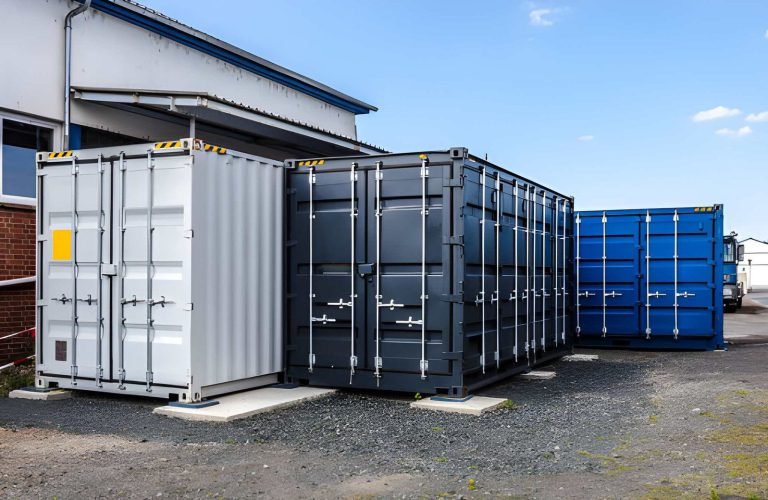
This is the cost people forget. A container needs firm, level ground, and the four corner castings concentrate the weight onto small points. Depending on your site you may need gravel, concrete pads, railroad ties or blocks. If access is constrained you may also need crane-assisted placement rather than a straightforward tilt-bed delivery, which is arranged separately.
- Corner supports or a prepared pad
- Gravel or hardcore if the ground is soft
- Clearing the access route and any overhead obstruction
- Crane or specialist placement where the site demands it
5. Modifications
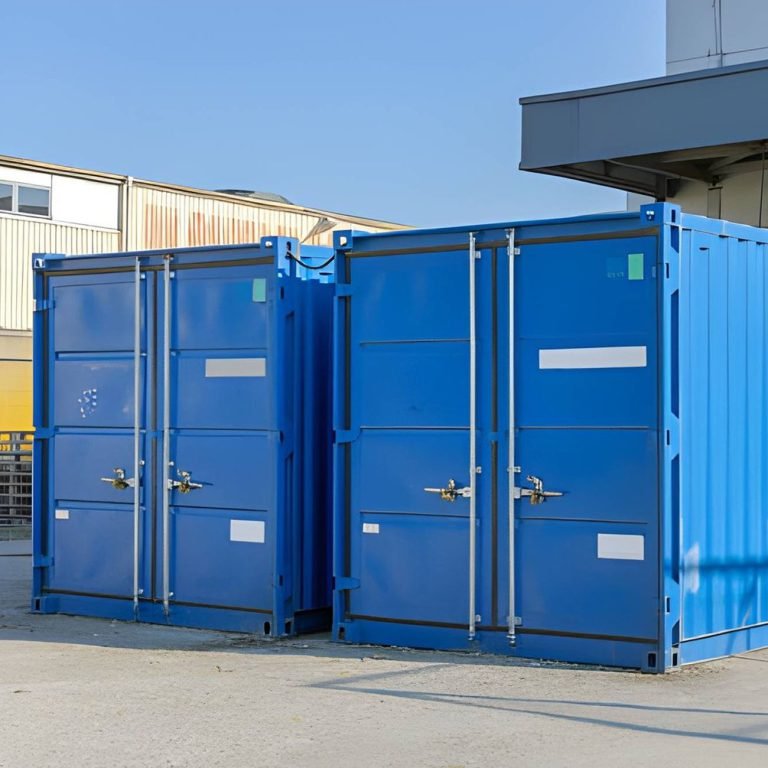
Doors, windows, insulation, lighting, electrical fit-out, partitions and ventilation all add cost, and they add it per unit rather than per order. If a modified unit gets you what you need, buying one already converted from the modified containers range or the cabins range is usually cheaper than commissioning the same work after delivery.
6. Tax
US orders are subject to destination-based sales tax, which varies by state and locality. Resale and exemption certificates can be filed where they apply. The sales tax policy sets out how this is calculated and displayed.
Putting a budget together
Work from the top down: choose the smallest size that genuinely fits the job, choose the lowest grade that suits the setting, add the flat $450 freight, then add a realistic figure for ground preparation. Modifications and tax sit on top.
Current prices are shown on every listing — browse the inventory or start with the buyer’s guide if you have not settled on a specification. Payment is by bank wire or ACH transfer as set out in our payment policy. For a quote on multiple units, call +1 430 280 1063 or email info@marinercontainers.com.