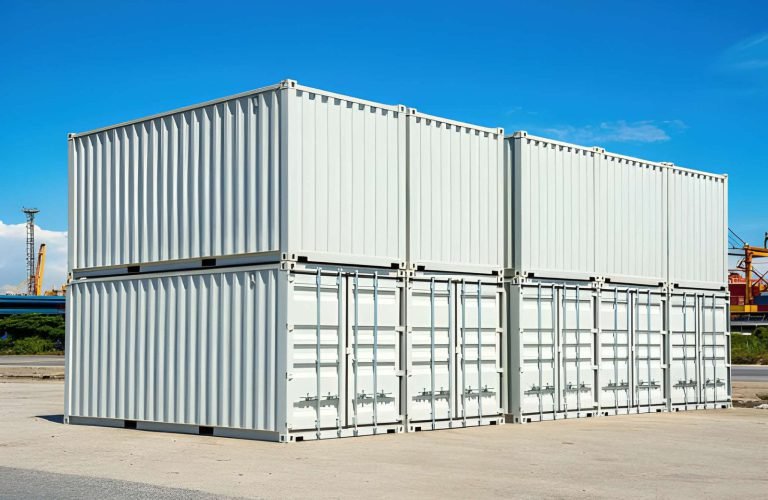
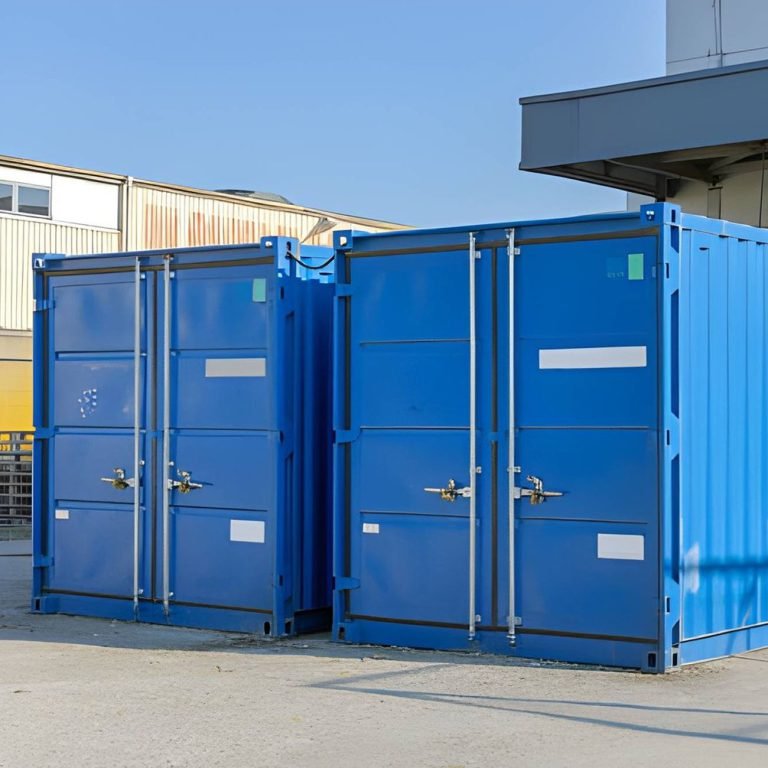
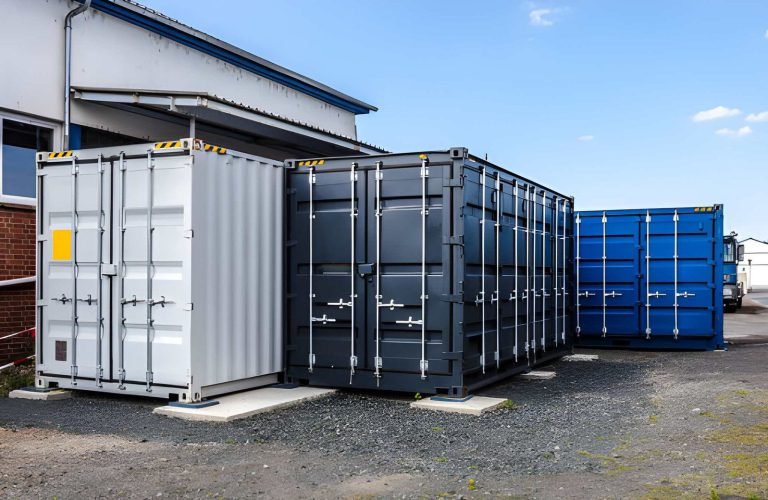
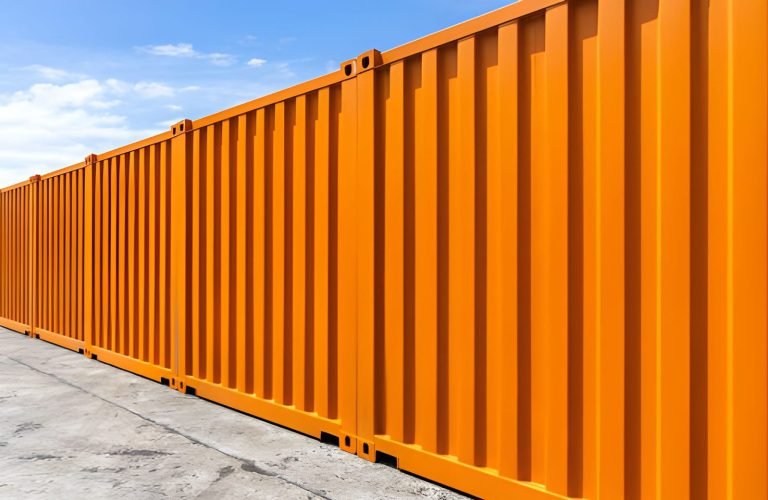
A high cube container is the same length and width as a standard unit but one foot taller — 9ft 6in externally instead of 8ft 6in. It is a small-sounding difference that turns out to matter a great deal for some uses and not at all for others.
What the extra foot buys you
Internally a standard container gives roughly 7ft 10in of headroom; a high cube gives roughly 8ft 10in. On a 40ft unit that adds around 300 cubic feet of usable volume, which is meaningful when you are paying for space.
Where it genuinely helps
- Racking and shelving: an extra tier of pallets often fits, which changes the economics of the whole unit.
- Conversions: once you add insulation, a floor build-up and a ceiling, a standard container becomes uncomfortably low. A high cube leaves usable headroom after the fit-out.
- Tall equipment: machinery, vehicles on stands and bulky palletised goods that foul the roof of a standard unit.
- Volume-limited loads: light, bulky goods where you run out of space long before you run out of weight capacity.
Where it does not help
If you are storing dense goods, the limit is weight rather than volume and the extra height is dead space you have paid for. If your site has restricted overhead clearance — a low canopy, a carport, tree cover, or a planning restriction on structure height — the taller unit may not fit at all. Delivery clearance requirements also go up, and a high cube stacked on another unit gets tall quickly.
Cost and availability
High cube units typically carry a modest premium over the equivalent standard container of the same grade. It is usually a small percentage rather than a step change, which is why high cubes are worth considering by default for 40ft purchases and considered more carefully at 20ft, where standard units are the more common stock item.
One practical note: 20ft high cubes are less common in the market than 40ft high cubes, so availability rather than price is often the deciding factor at the shorter length.
A quick way to decide
- Measure the tallest thing you will put inside, then add clearance for handling it.
- If you plan to insulate or line the interior, subtract at least four to six inches from the internal height.
- Check overhead clearance on the delivery route and at the final position.
- If the answer is still marginal, take the high cube — you cannot add height later.
See what is in stock
We hold high cube and standard units across the 20ft range and the 40ft range, in both one-trip and used condition. Smaller 10ft high cube units are also available. Read the grades guide before you compare prices, and check the shipping policy for the clearance a delivery needs. Questions on a specific unit: +1 430 280 1063.